
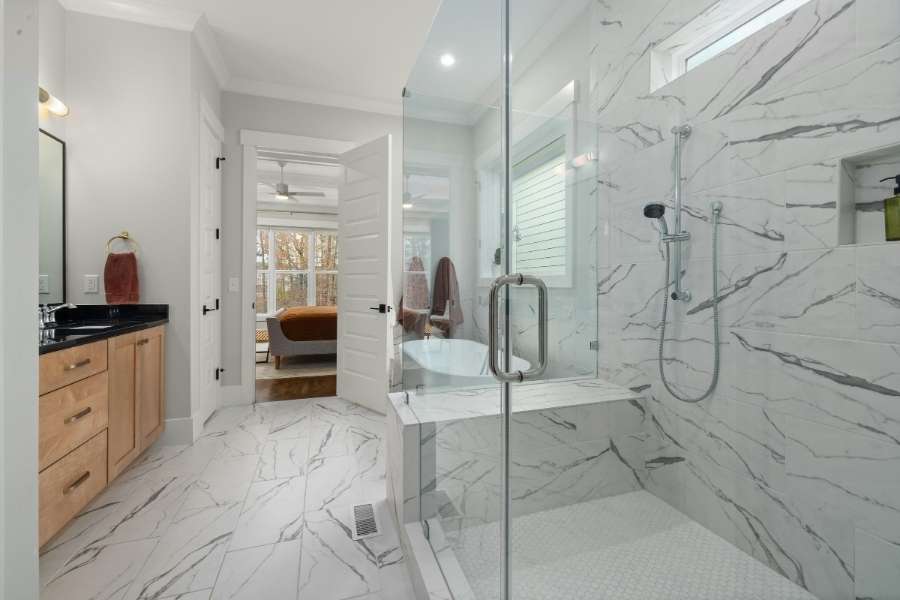
A beautiful bathroom should feel just as safe as it looks. With moisture, steam, and frequent foot traffic, bathroom floors can quickly become slippery, making the right flooring choice more important than many homeowners realise. Fortunately, modern tile designs prove that you do not have to choose between practicality and style.
When exploring bathroom floor tiles, consider options that combine reliable slip resistance with a design that complements your home’s overall look.
Today’s slip-resistant bathroom floor tiles are available in a wide range of colours, textures, and finishes, allowing you to create a space that is both elegant and functional. Whether you are planning a complete renovation or simply updating your flooring, understanding what to look for will help you make a confident decision.
Why Slip Resistance Matters
Bathrooms are naturally exposed to water, making them one of the most accident-prone rooms in the home. Selecting flooring with good slip resistance can help reduce the risk of slips and falls, especially in family bathrooms, homes with young children, or properties occupied by older adults.
Slip resistance is influenced by a tile’s surface texture rather than its appearance alone. A tile with a subtle textured finish often provides better grip than a highly polished surface, even if both look equally attractive from a distance.
Understanding Tile Finishes
One of the biggest decisions when choosing bathroom flooring is selecting the right finish.
Matt tiles are a popular option because they offer a softer appearance while generally providing better grip underfoot. They work well in both contemporary and traditional interiors and are available in countless colours and patterns.
Textured tiles provide additional traction without sacrificing visual appeal. Advances in manufacturing mean textured finishes can closely replicate natural stone, concrete, or wood, giving you the look you want with improved safety.
Highly polished tiles can create a luxurious feel, but they are often better suited to bathroom walls than floors where water is regularly present.
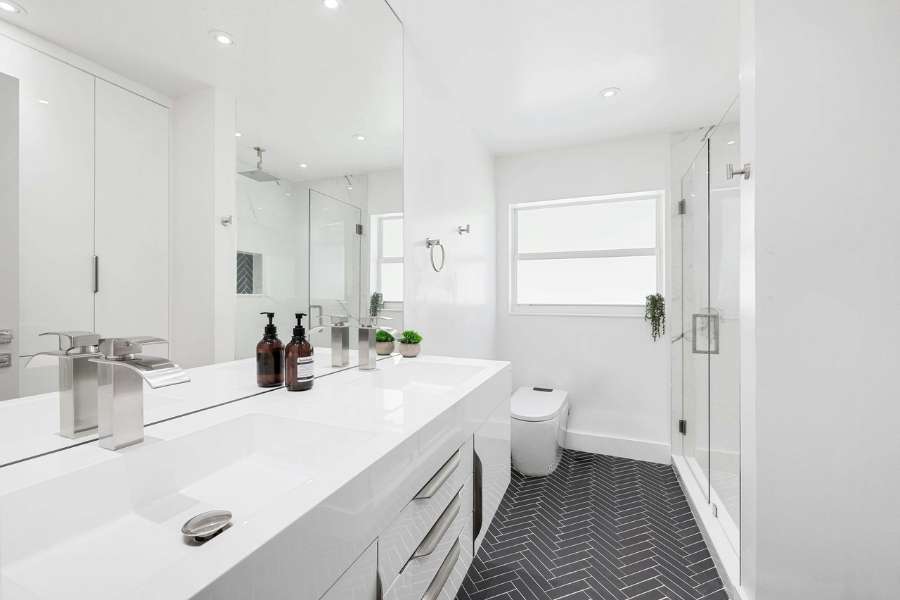
Balancing Style and Practicality
Slip-resistant flooring no longer means compromising on design. Many collections combine attractive finishes with practical performance, making it easy to achieve a cohesive look throughout your bathroom.
Large-format tiles remain a favourite in modern interiors because they create fewer grout lines, helping smaller bathrooms appear more spacious. Stone-effect porcelain tiles offer timeless elegance while requiring significantly less maintenance than natural stone. Wood-effect tiles are another excellent option, bringing warmth and texture without the concerns associated with real timber in wet environments.
Choosing neutral shades such as soft grey, beige, or warm white creates a calming atmosphere and provides a versatile backdrop for changing décor over time. While maintaining a comfortable home environment, ensuring proper ventilation and air circulation is equally important, so you can read about how routine HVAC care enhances indoor air quality to keep your living space fresh and healthy.
Choosing the Right Material
Porcelain is widely regarded as one of the best materials for bathroom flooring. It is dense, durable, and highly resistant to water, making it suitable for everyday use. It also comes in an impressive variety of finishes that mimic premium materials without demanding extensive upkeep.
Ceramic tiles can also be suitable for many bathrooms, particularly those with lighter household use. They are generally more affordable while still offering an extensive range of colours and styles.
When comparing options, consider how frequently the bathroom will be used, who will be using it, and the overall design you want to achieve.
Think Beyond Appearance
While colour and pattern are important, practical considerations should influence your final choice.
Pay attention to the size of the tile, as smaller tiles naturally create more grout lines, which can improve grip. Equally, selecting high-quality grout that resists mould and staining will help maintain both hygiene and appearance over time.
It is also worth considering compatibility with underfloor heating if you are planning a renovation. Many porcelain bathroom floor tiles work exceptionally well with modern heating systems, creating a comfortable surface year-round.
If you are comparing different options, browsing a specialist collection of bathroom floor tiles can provide inspiration across various styles, finishes, and materials while helping you identify products suited to your needs.
Coordinating Your Overall Design
Your flooring should complement the rest of the bathroom rather than compete with it. If you have bold wall tiles or statement fixtures, understated floor tiles can help balance the space. Conversely, if your walls are simple and neutral, patterned flooring can become an attractive focal point.
Consistency is equally important. Matching the floor tone with vanity units, worktops, or accessories creates a cohesive look that feels thoughtfully designed rather than overly busy.
Lighting also plays an important role. Natural light highlights texture differently from artificial lighting, so it is worth viewing tile samples in your own home before making a final decision.
Final Thoughts
Choosing slip-resistant bathroom floor tiles is about finding the right balance between safety, durability, and style. Modern manufacturing has made it possible to enjoy beautiful finishes without increasing the risk of slips in one of the busiest rooms in the home.
By considering surface texture, material, finish, and overall design, you can create a bathroom that is practical for everyday living while remaining visually appealing for years to come. A carefully selected floor not only enhances the appearance of your space but also provides lasting confidence every time you step inside