
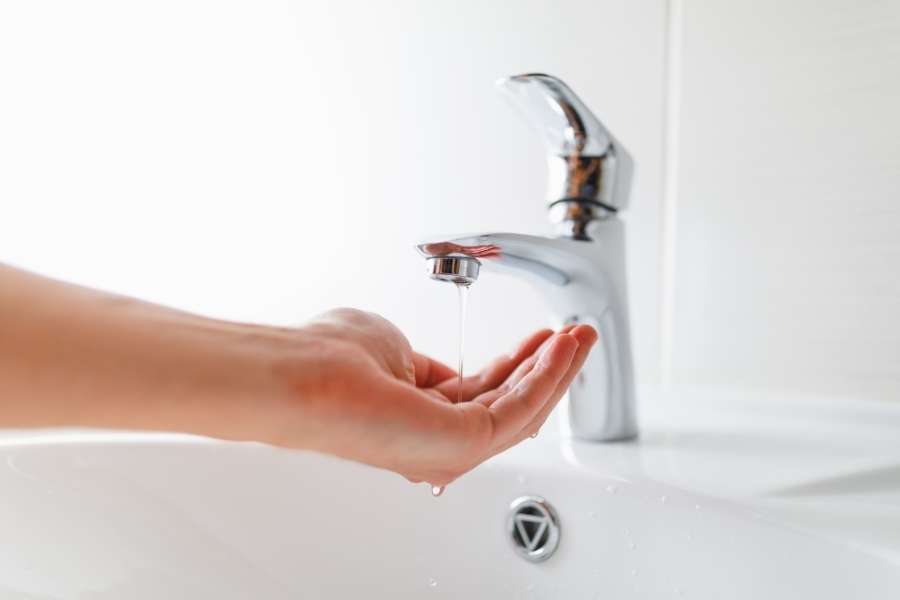
You turn on the tap, but only a miserable trickle comes out. That sudden drop in low water pressure is not just annoying. It often warns you about serious pipe leaks, heavy mineral sludge, or failing valves behind your walls. Ignoring that weak stream can lead to costly water damage in your home. Pipes need steady hydraulic force to push water through your house. When that force drops, something is blocking the path. A tiny hidden leak can rot your floorboards for months. Rust might be choking the life out of your metal lines. Let us track down the real cause before small leaks turn into major floods. Weak delivery always points to an underlying mechanical obstacle. It might be simple debris trapped in a screen. It could also mean a broken line under your foundation. You must pay attention to how your taps behave every day. Catching these early signals will save you thousands of dollars in emergency repairs.
How to Spot Major Plumbing Trouble Early
A gentle dribble from a kitchen spout seems harmless at first glance. Yet, widespread drops in volume never happen without a real mechanical problem. Appliances struggle to wash dishes and clothes without proper force. Your utility bills might also begin to climb without explanation. Identifying whether the issue hits one tap or the whole house gives you vital clues. Take a quick walk through your home before calling expensive contractors. Turn on each sink, tub, and shower one by one. Check if hot and cold water run at different speeds. Does the weak stream affect the top floor or the basement? These simple observations will help you pinpoint the true culprit quickly. You should also look outside your home to spot early main water line leak signs near your yard. A soggy patch of grass or a spinning water meter often explains why total volume drops indoors.
Hidden Pipe Leaks and Water Damage
A sudden loss of force across several rooms often points to a hidden pipe leak. When a supply line splits, water escapes under high velocity. That lost volume robs your spigots of their normal power. Escaping fluid quickly pools inside your drywall and subfloors. Left unchecked, it feeds toxic mold and rots wood framing. The Insurance Institute for Business and Home Safety notes that plumbing leaks cause severe interior damage. Water can quietly pool beneath concrete slabs for weeks. Watch out for warm spots on tile floors and strange musty smells. If your meter keeps spinning while taps are off, shut your main line down immediately.
The Threat of Rust and Heavy Mineral Scale
Homes built decades ago often have old galvanized iron or copper piping. Minerals react with inner metal walls over many years of continuous use. This build-up slowly chokes the inside diameter of your supply lines. Your water lines end up restricted, much like clogged arteries. You might see rusty, discolored water pouring out when you first turn the handle. A strong metallic taste often lingers in fresh drinking water. Faucets might sputter violently due to loose flakes of debris traveling through the lines. In many homes, volume drops sharply whenever two fixtures run at once. Internal corrosion eats away at pipe walls until tiny pinhole leaks appear. These warnings highlight clear signs of mineral buildup in old water pipes requiring immediate attention. Scrubbing or chemical flushing will not fix damaged metal pipes. Once internal flaking takes over, you must replace those aging lines with modern PEX tubing.
Finding the Culprit: Simple Fixes or Major Disasters?
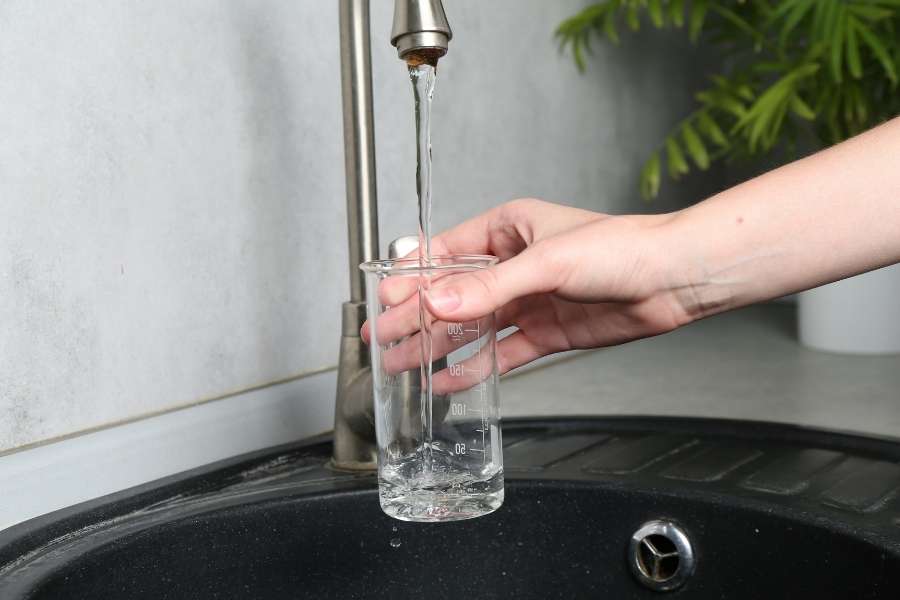
Not every plumbing issue requires tearing down walls or digging up your front yard. In many cases, grit merely settles in terminal fixture screens. Municipal water often carries tiny pebbles and mineral flakes along the street mains. Knowing the difference between surface grit and structural failure saves you plenty of cash. Start your inspection right at the point where water leaves the tap. Checking the easiest parts first eliminates unnecessary stress. Grab a basic wrench and inspect your fixtures carefully. If a single sink runs weak, soak the screen in vinegar. If a shower head dribbles, swap out the cartridge. When the entire house runs slow, verify that your shutoff valve is fully open. If your meter spins continuously on its own, turn off the main supply immediately. Learning how to prevent and fix common plumbing leaks protects your foundation from structural harm. Fast troubleshooting stops minor dripping from ruining your kitchen cabinets and floorboards.
Clogged Screens and Dirty Spouts
If you wonder why is water pressure low in only one faucet, check the spout screen first. Modern spouts use small mesh screens to shape the stream and save water. These small screens easily trap loose flakes of rust and mineral grit. Understanding how to clean a clogged faucet aerator takes only four simple steps. Wrap masking tape around the aerator housing to prevent scratches. Unscrew the housing counter-clockwise using a pair of pliers. Soak all internal mesh parts in warm white vinegar for an hour. Scrub the pieces with a brush, rinse them, and screw them back on. Water should rush out at full force once the screen is clear. If the flow stays weak, check the flexible supply lines under the sink. Debris can also clog the tiny shutoff stops under your vanity.
Shutoff Valves and Pressure Regulators
When weak output affects every room at once, the issue sits on your main intake. Check your primary shutoff valve before assuming your lines are broken. Street workers may have left the handle turned halfway after recent maintenance. Even a slight turn away from full open chokes water volume across your whole house. Houses also rely on a pressure regulator to protect pipes from street surges. This bell-shaped valve keeps incoming municipal force within safe residential limits. When its internal parts wear out, domestic pressure drops to an anemic trickle. You can test your outside hose spigot with a screw-on gauge to verify regulator health.
Stubborn Problems That Need Professional Help
What if your screens are clean and the main line is wide open, but flow remains weak? You might be facing a stubborn underground clog or extensive internal decay. Water must fight against friction, gravity, and old pipe scale to reach your fixtures. Solving complex supply issues requires professional testing tools and expert knowledge. Do not try advanced repairs if you lack plumbing experience. You could easily crack an old line and flood your basement. Knowing your limits keeps repair costs manageable. Let us look at tough choke points that often require professional help.
Troubleshooting Showers and Water Heaters
Few things irritate a homeowner more than a cold, weak shower. Learning how to fix low water pressure in the shower starts with removing mineral scale from the head. Unscrew the head and soak it in warm vinegar to clear the spray holes. If output stays poor, replace the mixing cartridge hidden inside the shower wall. Water heaters also cause serious volume drops in your hot water lines. Minerals settle to the bottom of the heater tank over years of daily use. That thick sludge blocks heat transfer and sends loose sediment straight into your pipes. Flushing your water heater every year keeps this heavy grit out of your system.
Installing a Supplemental Water System
Homes built on tall hills or rural lots often suffer from low municipal supply. If street mains deliver under 40 PSI, your fixtures will always struggle. Adding a mechanical booster pump provides the lifting power needed for steady output. These electric pumps maintain strong force across multiple bathrooms at once. They protect appliances and make daily chores much faster. A master plumber can help pick the right pump size for your floor plan.
Easy Habits to Protect Your Home Plumbing
Keeping your home plumbing healthy does not take huge effort. You just need a consistent maintenance routine. Waiting until a pipe bursts invites high repair bills and structural mold. Simple seasonal checks keep your water running smoothly for years to come. Your plumbing brings fresh water in and takes dirty waste out every day. Treating it with care protects your family and safeguards your home investment. A few quick checks every few months can prevent expensive midnight plumbing emergencies. Test static line force twice a year with a threaded hose gauge. Drain your water heater annually to clear out heavy mineral sludge. Clean aerator screens on every sink twice a year. Turn your main shutoff handle back and forth every six months. Small plumbing changes are clear messages from your pipe network. That sputtering bathroom faucet might be warning you about hidden pipe decay. Pay close attention to subtle shifts in delivery, fix minor clogs fast, and protect your home from sudden leaks.
Frequently Asked Questions
What causes sudden low water pressure throughout a house?
A partially closed main water valve is the most common reason for sudden whole-house pressure drops. A failing water pressure regulator can also choke water volume across all fixtures at the same time.
Can hard water scale ruin home plumbing lines?
Yes, hard minerals build up inside metal pipes over decades of daily use. This scale narrows the water passage, reduces flow, and causes internal corrosion that eventually forces a complete repipe.
How can I tell if a hidden leak causes weak flow?
Turn off all indoor taps and appliances, then go check your water meter outside. If the meter dial moves while no water is running, you likely have a hidden pipe leak inside your home.