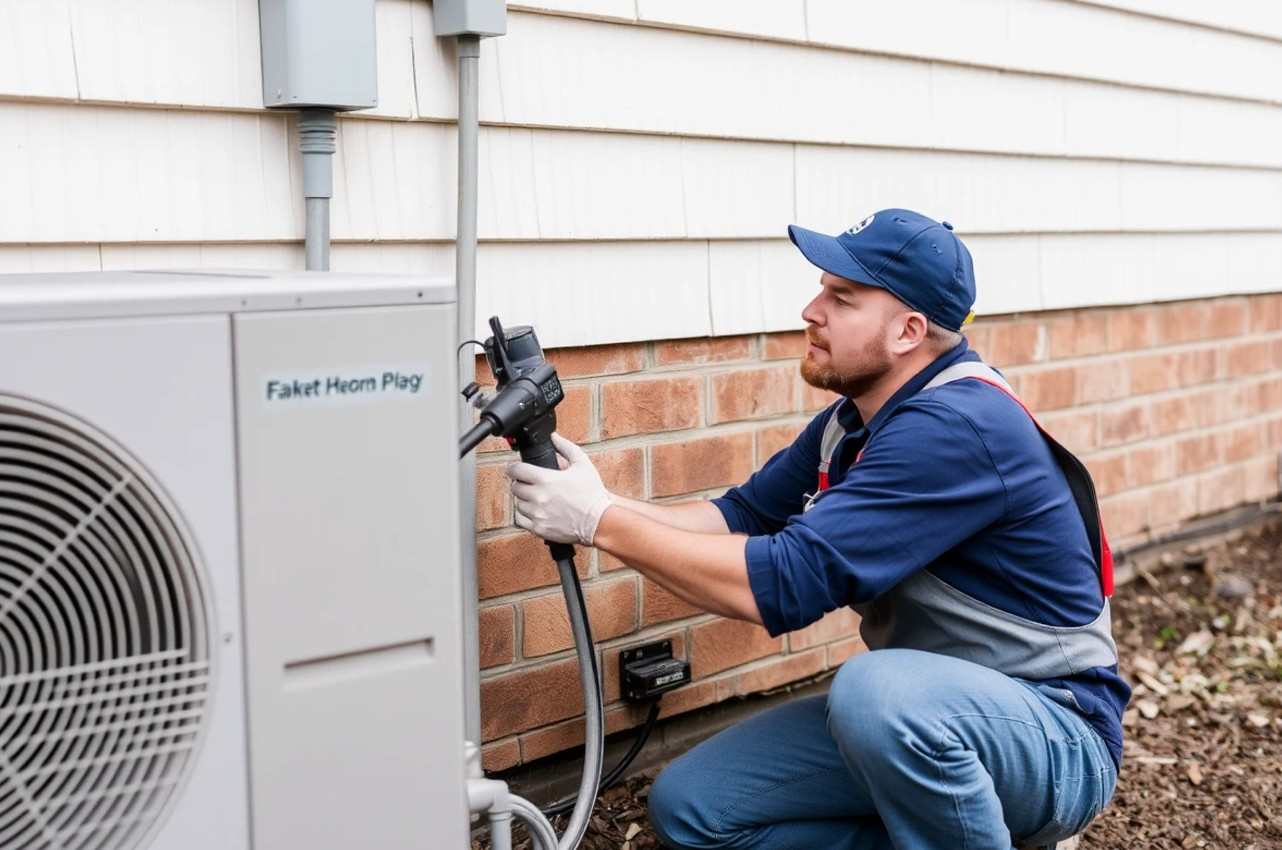
Your home’s heating and cooling system works hard throughout the year to keep your indoor environment comfortable. While regular maintenance helps extend its lifespan, some problems require immediate action to prevent costly repairs, safety risks, or complete system failure. Knowing the warning signs can help you address issues before they become major headaches.
If you notice unusual behavior from your HVAC system, it’s important to act quickly. In some cases, scheduling professional HVAC emergency repair East Granby, CT can help restore comfort while preventing further damage to your equipment.
Unusual Noises Should Never Be Ignored
HVAC systems naturally produce some operational sounds, but loud or unusual noises often indicate a developing problem.
Common warning sounds include:
- Banging or clanking that may point to loose or damaged components
- Grinding noises that could signal motor or bearing issues
- Screeching caused by worn belts or failing motors
- Hissing that may indicate an air leak or refrigerant issue
- Clicking that continues after startup or shutdown
Ignoring these sounds can allow minor mechanical problems to become expensive repairs. A professional inspection can identify the source before additional parts are affected.
Weak or Uneven Airflow Throughout the Home
If some rooms feel comfortable while others remain too hot or too cold, your HVAC system may be struggling to distribute air properly.
Several issues can contribute to poor airflow, including:
- Dirty air filters
- Blocked or leaking ductwork
- Failing blower motors
- Frozen evaporator coils
- Damaged fans
Reduced airflow forces the system to work harder, increasing energy use and placing additional strain on key components.
Strange Odors Coming From Your Vents
Unpleasant smells should never be dismissed as normal.
Different odors often point to different problems:
- A burning smell may indicate overheating electrical parts.
- Musty odors often suggest mold or mildew inside the system or ductwork.
- A rotten egg smell could signal a gas leak if you have a gas furnace.
Gas-related concerns require immediate attention. If you suspect a gas leak, leave the home and contact the appropriate emergency services before calling an HVAC professional.
Your System Cycles On and Off Constantly
Short cycling occurs when the HVAC system starts and stops repeatedly without completing a full heating or cooling cycle.
Possible causes include:
- Faulty thermostats
- Refrigerant problems
- Dirty filters
- Oversized HVAC equipment
- Electrical component failures
Frequent cycling increases wear on the system, reduces efficiency, and often leads to premature equipment failure if left unresolved.
Unexpected Increases in Energy Bills
A sudden rise in utility costs without significant changes in weather or household habits often indicates your HVAC system is losing efficiency.
Several underlying problems can cause this, including worn components, clogged filters, leaking ducts, or aging equipment. Since these issues force the system to consume more energy, professional diagnostics can identify the root cause and restore efficient performance.
Water Leaks or Excess Moisture Around the Unit
Any visible water around your indoor HVAC equipment deserves prompt investigation.
Common causes include:
- Clogged condensate drain lines
- Frozen evaporator coils
- Damaged drain pans
- Condensate pump failures
Moisture problems can damage flooring, drywall, and nearby furniture while creating conditions that encourage mold growth. Addressing leaks early helps minimize both HVAC and property damage.
Warm Air During Cooling or Cold Air During Heating
If your air conditioner blows warm air during summer or your furnace delivers cool air in winter, something is clearly wrong.
The issue may involve:
- Refrigerant loss
- Compressor problems
- Faulty heating elements
- Ignition system failures
- Thermostat malfunctions
Rather than repeatedly adjusting the thermostat, it’s better to have the system professionally evaluated to determine the exact cause.
Poor Indoor Air Quality
Your HVAC system plays a major role in maintaining healthy indoor air.
Warning signs of declining air quality include:
- Excessive dust accumulation
- Increased allergy symptoms
- Persistent stale air
- Uneven humidity levels
These problems may result from clogged filters, dirty coils, contaminated ductwork, or inadequate ventilation. Regular maintenance helps improve both comfort and indoor air quality.
The System Is More Than 10–15 Years Old
Age alone doesn’t mean an HVAC system requires emergency service, but older equipment is generally more susceptible to unexpected breakdowns.
If your system frequently requires repairs, struggles to maintain temperature, or operates inefficiently, it may be reaching the end of its service life. A professional evaluation can help determine whether repairs remain practical or whether replacement would be a better long-term investment.
Common Mistakes Homeowners Make
When HVAC problems appear, it’s tempting to try simple fixes or postpone service. Unfortunately, these decisions often make the situation worse.
Avoid these common mistakes:
- Ignoring unusual noises or smells
- Delaying professional inspections
- Continuing to operate a malfunctioning system
- Forgetting to replace air filters regularly
- Blocking return or supply vents with furniture
Prompt attention often prevents small problems from becoming major repairs.
When to Call an HVAC Professional Immediately
Certain situations require immediate professional assistance rather than waiting to see if the problem resolves itself.
Contact an HVAC technician right away if you experience:
- Complete heating or cooling failure during extreme temperatures
- Burning or electrical odors
- Suspected refrigerant leaks
- Water leaking from the indoor unit
- Repeated circuit breaker trips
- Loud mechanical noises
- Gas odors near a furnace
Acting quickly can reduce repair costs while protecting both your home and your family’s safety.
Conclusion
Recognizing the warning signs of HVAC trouble can help you avoid unexpected breakdowns, expensive repairs, and uncomfortable living conditions. Unusual noises, poor airflow, rising energy bills, water leaks, and inconsistent temperatures are all indicators that your system may need professional attention.
Instead of waiting for a complete failure, addressing these issues early gives technicians the opportunity to diagnose problems before they become more serious. Regular maintenance combined with prompt repairs helps keep your HVAC system operating safely, efficiently, and reliably throughout the year.