
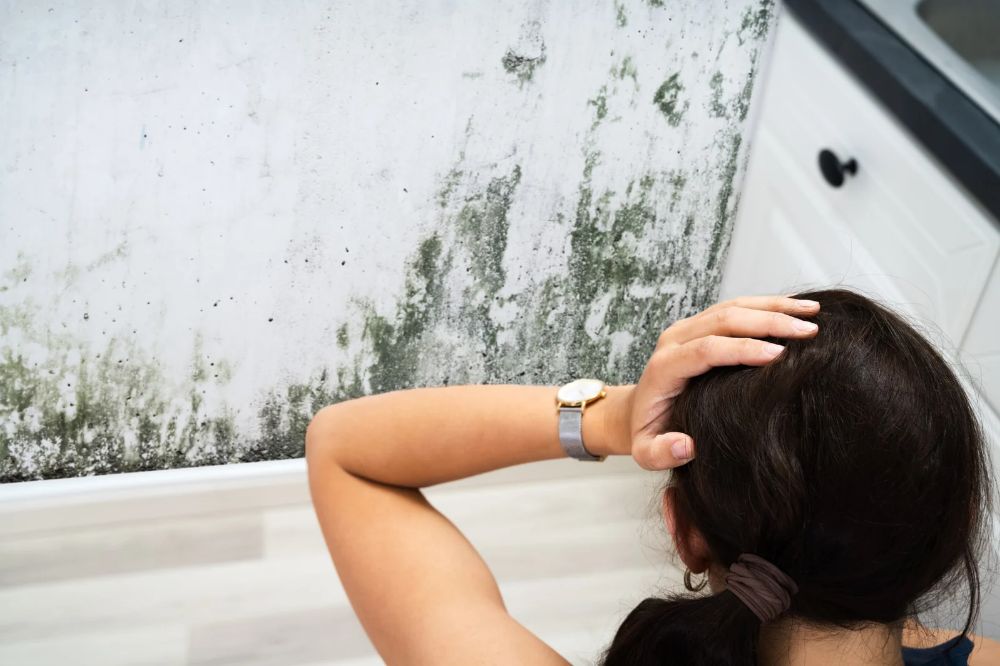
Nobody wants to walk into their child’s bedroom and notice a musty smell. Your first thought might be mold, especially if you live in South Florida, where humidity is a constant battle.
But a musty smell doesn’t necessarily mean there’s mold hiding behind the drywall. Sometimes it’s something as simple as damp clothes in a closet, poor airflow, or condensation around an AC vent.
Here are a few things homeowners can check themselves, along with signs that it might be time to bring in a professional.
Why You Shouldn’t Ignore a Musty Smell
A musty odor doesn’t always mean you have a serious mold problem, but it’s worth investigating.
According to the Centers for Disease Control and Prevention (CDC), mold can appear in different colors and often produces a musty smell.
Some people experience no symptoms from mold exposure, while others may develop nasal congestion, coughing, irritated eyes, or skin irritation. Children with asthma or mold allergies may be particularly sensitive.
If your child is experiencing ongoing respiratory symptoms, it’s worth discussing them with their pediatrician while you investigate the room.
The EPA also points out that mold can sometimes grow in hidden areas, including behind drywall, under flooring, and inside wall cavities.
That’s why a persistent musty smell shouldn’t be brushed off just because you can’t see anything.
According to a licensed Florida mold assessor with BuildEase by Florida Mitigation Group, the important thing is figuring out where the smell is coming from before jumping to conclusions or paying for mold testing.
7 Things to Check in Your Child’s Bedroom
Before scheduling an inspection, spend a few minutes looking around the room. You don’t need expensive equipment to spot some of the most common moisture problems.
1. Figure Out Where the Smell Is Coming From
Start by walking around the bedroom and noticing where the odor is strongest.
Check near the closet, behind the bed, around windows, and close to the AC vents.
If the smell seems stronger in one particular corner, take a closer look at that area.
Sometimes the source is obvious once you start checking places that don’t get much attention during regular cleaning.
2. Move Furniture Away From the Walls
Beds, dressers, and bookshelves often sit against the same wall for years.
In humid environments, limited airflow behind furniture can allow moisture to collect, particularly along exterior walls.
Pull larger furniture away from the wall and look for discoloration, damp spots, peeling paint, or visible mold.
Don’t forget to check the back of furniture and along the baseboards.
3. Look Around the Windows
Windows are another common place for moisture problems to show up.
Check the window frame, sill, and surrounding drywall for water stains or soft spots.
Condensation can develop when warm, humid air comes into contact with cooler surfaces. In South Florida, rainwater can also find its way inside through damaged seals or poorly maintained window frames.
If you notice recurring moisture around a window, find out what’s causing it rather than simply wiping it away.
4. Inspect the AC Vents
Air conditioning is essential in Florida, but AC systems can also contribute to moisture problems when something isn’t working properly.
Take a close look at the supply vents in your child’s bedroom.
A little dust buildup is common. However, dark spotting, dripping water, or discoloration around the vent deserves attention.
Condensation around vents can sometimes result from insulation problems, air leaks, or high indoor humidity.
If the area stays damp, have the underlying issue checked before it causes further damage.
5. Check Inside the Closet
Kids’ closets can collect all kinds of things, including damp towels, sweaty sports uniforms, wet shoes, and clothes that didn’t completely dry.
Combine that with limited airflow and a closed closet door, and you’ve got conditions where mildew can develop.
Take everything off the closet floor and check the corners, baseboards, and walls.
Look for damp carpet, discoloration, or anything that smells unusually musty.
If the problem is simply damp clothing or poor airflow, removing the wet items and improving ventilation may solve it.
6. Check Nearby Bathrooms and Plumbing
If your child’s bedroom shares a wall with a bathroom, don’t overlook the plumbing.
A slow leak behind a shower, sink, or toilet can allow moisture to collect inside a wall long before you notice visible water damage.
Look for loose tiles, deteriorating caulk, soft drywall, or stains along the baseboards.
Also check the bathroom floor around the toilet and shower.
If you suspect a hidden plumbing leak, it’s better to investigate early than wait until the damage spreads.
7. Check the Room’s Humidity
One of the easiest ways to understand what’s happening in a room is to measure the humidity.
You can pick up a small digital hygrometer at most hardware stores.
The Environmental Protection Agency (EPA) recommends keeping indoor humidity below 60%, ideally between 30% and 50%.
If your child’s bedroom regularly stays above 60%, excess moisture may be contributing to the smell.
In Florida, this can happen when the AC isn’t removing enough humidity, the room has poor airflow, or outdoor air is getting inside.
A dehumidifier may help, but you’ll still want to figure out why the humidity is running high.
Can You Clean Up Mold Yourself?
Not every mold problem requires a professional remediation crew.
According to the EPA, homeowners can generally clean small areas of mold covering less than about 10 square feet, provided there isn’t extensive water damage or another complicating factor.
For small patches on hard, nonporous surfaces, soap and water may be enough.
However, porous materials such as carpet, insulation, and ceiling tiles can be harder to clean thoroughly. In some cases, they may need to be removed and replaced.
Avoid disturbing large areas of suspected mold, especially if your child has asthma, allergies, or other respiratory sensitivities.
Most importantly, don’t just clean the visible mold and assume the problem is solved.
If moisture is still getting into the area, the mold can come right back.
When Should You Call a Licensed Mold Assessor?
Sometimes the source of a musty smell is easy to find. Other times, there’s no obvious explanation.
Consider scheduling a professional mold assessment if:
- The room smells musty even after cleaning and improving ventilation.
- You notice visible mold covering a large area.
- Mold keeps returning to the same spot.
- The bedroom has experienced a roof leak, plumbing leak, or AC overflow.
- You suspect moisture is trapped behind walls or under flooring.
- Your child’s respiratory symptoms seem worse when spending time in the room.
In Florida, mold assessment and mold remediation are two separately licensed activities.
A licensed mold assessor can investigate the affected areas, evaluate moisture conditions, and determine whether additional testing or remediation is necessary.
You can verify Florida mold-related licenses through the state’s Department of Business and Professional Regulation at MyFloridaLicense.com.
If remediation is needed, the goal should be to address both the mold contamination and the moisture problem that allowed it to develop.
Don’t Wait for a Small Moisture Problem to Get Worse
A musty smell in your child’s bedroom doesn’t automatically mean you’re dealing with a major mold problem.
It could be damp clothing, a poorly ventilated closet, or condensation around an AC vent. But it could also point to a hidden leak or moisture trapped somewhere you can’t see.
The best place to start is with a thorough look around the room and a simple humidity check.
If the smell won’t go away or you suspect hidden water damage, BuildEase by Florida Mitigation Group helps South Florida homeowners investigate moisture-related damage and determine the appropriate next steps.
Catching the source early can help protect your home and keep a small moisture issue from turning into a much bigger repair.
