
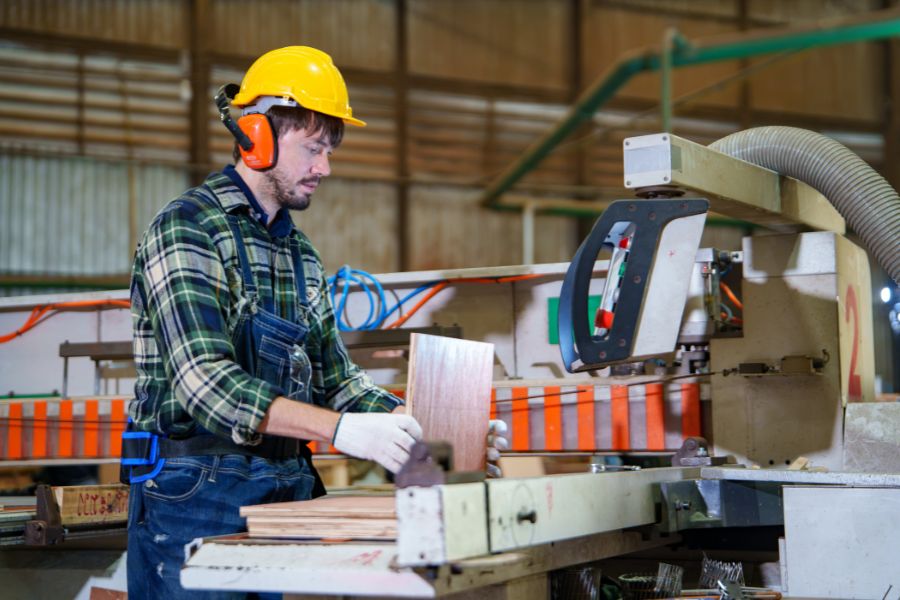
Welcome to the wonderful world of woodworking. You smell fresh pine immediately upon entering. You hear heavy machinery powering up loudly. It feels like pure magic to builders. But that space hides permanent physical dangers. A spinning saw blade ignores your experience. It bites if you give it a chance. That is why strict Safety rules are non-negotiable. One distracted second changes your life forever. Let us explore the absolute necessities today. These vital steps will keep you crafting safely. We must prioritize our physical health above everything. Never compromise your fingers for a quick project. Let us dive into the essential habits now. These Safety rules are your best daily defense. A safe shop is a happy shop always. You must internalize these concepts completely.
Understanding the Mental Side of Woodworking Hazards
Building a solid mental foundation comes first. You cannot rush into complex joinery blindly. A good mindset prevents most disasters early. Staying alert is your absolute best defense. We need to respect the powerful equipment. When you restore and refinish vintage wooden furniture, patience is key. The exact same patience applies to workshop safety. Rushing leads directly to terrible physical accidents. You must respect the process every single day. Establishing strong Safety rules starts in your mind.

Overcoming the Trap of Complacency in the Shop
Have you ever driven home and forgotten the trip? That dangerous phenomenon is called highway hypnosis. The exact same thing happens in the busy workshop. You make a repetitive crosscut fifty times today. On the fifty-first time, your mind wanders completely. That is exactly when devastating accidents usually occur. Our brains automate repetitive physical tasks quite naturally. We stop paying attention to the immediate danger. Experienced workers often suffer very severe injuries. Why does this happen to seasoned professionals? They get too comfortable around spinning steel blades. They trust their muscle memory way too much. Following strict Safety rules keeps you grounded properly. You must treat every single cut carefully. It is not just another piece of raw wood. It is a live operation with real stakes.
Respect the heavy machinery every single time. It will respect you back if you do. This mindset shift is crucial for your well-being. A healthy fear of tools is a great thing. It forces you to double-check every fence alignment. Never let your guard down when power flows. You are the only one controlling the final outcome. Always stay present and completely engaged in your work. Taking a break is sometimes the smartest move. If you feel tired, turn off the lights. The lumber will patiently wait for you tomorrow. Pushing through fatigue leads to sloppy mistakes quickly. A fresh mind spots potential hazards almost instantly. Drink some water and step away for a moment. This simple act saves fingers and prevents absolute ruin. Safety rules dictate resting when you are tired.
Rule 1 – Shield Your Senses with Proper Gear
Protecting your fragile body is an absolute requirement. Your physical senses are your most valuable assets. You must guard them with high-quality equipment. Good gear is an investment in your future health. Before grabbing your 9 essential joinery tools you need in your workshop from day one, you must dress right. Proper safety attire is mandatory for all woodworkers. You cannot use any tool without bodily protection. Follow these Safety rules to remain completely intact.
Why eye protection and a dust mask Matter
Let us talk about the absolute non-negotiables first. Wearing reliable eye protection is completely mandatory always. A tiny splinter acts like a speeding bullet. It flies off the lathe without any warning. You only get two eyes in this lifetime. Do not risk them for a quick cut. Always wear glasses that wrap around your face. They block debris coming from strange side angles. Regular prescription glasses do not offer enough protection. You need impact-rated polycarbonate lenses for real safety.
Next, you must consider the health of your lungs. Fine sawdust is a silent killer over time. Wearing a proper dust mask filters harmful particulates. Exotic woods can actually cause severe allergic reactions. Institutions warn against prolonged wood dust exposure frequently. It leads to severe respiratory issues down the road. A good respirator feels heavy but works perfectly. Protecting your breath is one of the top Safety rules. Change your air filters on a regular schedule. A clogged filter is just as bad as nothing. Keep your workshop well ventilated during heavy sanding.
Furthermore, power tools cause permanent hearing damage quickly. Therefore, inserting ear plugs is a crucial habit. Your future self will thank you for this choice. Noise fatigue is a very real medical condition. The high pitch of a router causes immense stress. Wearing all this gear is a non-negotiable standard. Incorporate these Safety rules into your daily routine. Never turn on a machine without your armor. Safety rules demand strict compliance for your protection. Your family wants you to come inside uninjured. Make eye protection your absolute first priority today.
Rule 2 – Respect Machinery and Dress Deliberately
What you wear impacts your overall security greatly. Machinery is unforgiving when it catches hanging fabric. Proper attire acts as a passive defense mechanism. You must dress deliberately before starting any work. Following clothing Safety rules prevents catastrophic shop events. This step takes only a few seconds daily. Do not ignore your wardrobe choices before cutting.
Avoiding the Hidden Dangers of loose clothing
Imagine a large lathe spinning at high speed. Now imagine your baggy sleeve touching the chuck. The heavy machine will not stop for you. This is why avoiding loose clothing is critical. Baggy shirts are absolute magnets for total disaster. Always roll your sleeves securely past your elbows. Tuck your shirt tightly into your work pants. A snug fit keeps you away from spinning danger. Take off all rings before starting any work. Remove watches and long necklaces from your body. A metal ring easily catches on jagged wood. It can literally strip the skin right off.
By dressing smartly, you remove massive physical risks. Tie back long hair so it stays secure. Keep your vision completely clear of hanging bangs. These wardrobe Safety rules are entirely non-negotiable. Never wear gloves near spinning blades or bits. Fabric grips the sharp teeth of a running saw. If a glove catches, it pulls your hand. Bare hands are much safer around heavy machinery. You can feel the wood slipping much faster. This simple wardrobe choice prevents horrific shop injuries.
Trust your bare skin to grip the wood properly. Many beginners make the mistake of wearing fleece. Fleece grabs onto sawdust and spinning metal rapidly. Wear tight denim or heavy cotton canvas instead. Buy an apron that ties securely behind you. Keep your pockets empty to avoid strange snags. These Safety rules form the foundation of shop survival. Dress like a true professional every single day.
Rule 3 – Utilize Proper Jigs Every Single Time
Your hands are your primary creative tools always. Keeping them away from blades requires conscious effort. Relying on specialized jigs is the smart way. Never rely solely on hands to guide parts. Good jigs reinforce all your strict Safety rules. They make repetitive cuts much more accurate too. Wooden fixtures take the physical risk for you.
The Magic of the push stick and blade guard
Let me share a story from a cabinetmaker. He pushed a thin strip through a saw. His finger slipped during the final crucial inch. He spent months in painful physical therapy recovering. He never worked without a reliable push stick again. You must keep hands six inches away minimum. A sturdy push stick extends your working reach safely. It guides the wood while keeping fingers safe. Make several push sticks of different useful sizes. Keep them right next to your table saw.
Additionally, never remove the factory-installed blade guard. The blade guard prevents wood from dropping unexpectedly. It blocks sharp flying chips from hitting you. It is your physical barrier against the spinning blade. These specific tools are absolute lifesavers in shops. They constitute essential safety gear for using table saws and routers. Do not let laziness cost you a digit. Build custom jigs for difficult or repetitive cuts. Let the wooden fixtures take the risk instead.
These Safety rules exist because people made bad mistakes. Learn from others to keep your hands intact. Crosscut sleds are another amazing protective shop fixture. They hold the wood perfectly square during cuts. You never have to push near the blade. Clamps keep the material from shifting or vibrating. Take the time to build these accessories yourself. They improve your accuracy while protecting your hands completely. Building jigs is a core part of Safety rules.
Rule 4 – Maintain Equipment and Know Your Limits
A well-maintained workshop is inherently much safer always. Dull tools and cluttered floors are absolute disasters. You must respect the physical space completely. A clean shop allows you to focus entirely. Cleanliness supports all other Safety rules naturally. A messy floor hides terrible tripping hazards constantly. You need clear walking paths everywhere you look.
Keeping sharp tools and Locating the emergency stop
It sounds counterintuitive, but dull blades are dangerous. You must push harder when using worn equipment. That extra physical force causes hands to slip. Working with razor sharp tools requires less effort. sharp tools slice cleanly, predictably, and with control. Honing your chisels regularly is a mandatory daily practice. This simple maintenance makes woodworking much more enjoyable. A sharp hand plane glides like hot butter. A dull one jumps and chatters across wood.
This maintenance is a fundamental aspect of protection. It helps in preventing workshop accidents with power tools. Furthermore, you must know how to kill power. Memorize the exact location of every emergency stop. Knowing this saves precious seconds during a crisis. You should hit the emergency stop completely blindfolded. If a board kicks back, react in milliseconds. Test your stop switches regularly to ensure function. Install large paddle switches on your main machines.
You can bump them with your knee easily. This keeps your hands firmly on the wooden workpiece. Safety rules demand functioning stop buttons on everything. Keep the floor around machines clear of debris. Slipping while holding a router is a nightmare. Sweep up sawdust at the end of days. Check your machine belts for fraying or cracking. Proper maintenance is one of the vital Safety rules. It ensures your tools work nicely with you. Respect your investment by keeping it in top shape.
Mastering the Art of Woodshop Environment Control
Your physical surroundings dictate your overall safety level. A chaotic room breeds chaotic and dangerous results. You must tame your environment to stay safe. Lighting and air quality are absolutely vital components. Good environments make following Safety rules much easier. You cannot work well in a dark space. Clean air and bright lights prevent stupid mistakes.
Illuminating the Workspace and Clearing the Air
Good lighting prevents you from making dangerous errors. Shadows hide the exact location of the fast blade. Install bright LED lights directly above your machines. You need to see pencil marks very clearly. Squinting causes eye strain and dangerous physical fatigue. A well-lit shop is a happy, productive shop. Proper lighting is one of the unsung Safety rules. Paint your walls white to reflect more light. It makes the small space feel much larger.
Next, focus on the air quality around you. A dust mask is great for personal protection. However, a room air filtration system is much better. It scrubs the ambient air while you work continuously. Fresh air keeps your brain completely sharp and focused. Connect your big machines to a dust collector. Capturing dust at the source is the main goal. Fine particles can hover in air for hours. You breathe them in long after cutting stops.
Keep your shop windows open for fresh breezes. A clean environment is crucial for your healthy lungs. These Safety rules protect you and your whole family. Sweep the floors diligently after every single session. Sawdust makes the smooth concrete floor very slippery. A slip near a band saw is terrifying. Take genuine pride in the cleanliness of your space. An organized shop prevents trips and massive falls. Follow these environmental Safety rules for a better life. You will enjoy your hobby much more this way.
Understanding Fire Prevention in the Workshop Space
Many woodworkers completely ignore the risk of fire. Sawdust and finishing chemicals are a deadly combination. You must actively prevent fires from ever starting. Fire safety is a massive pillar of protection. Ignoring fire risks invalidates all other Safety rules. You need to protect your property and life.
Managing Rags and Storing Flammable Shop Chemicals
Linseed oil rags can spontaneously combust quite easily. As the oil cures, it generates extreme heat. If bunched up, the rag catches fire quickly. You must dispose of oily rags very carefully. Hang them flat to dry outside the shop. Once completely stiff and dry, throw them away. This simple habit saves garages from burning down. It is one of the most critical Safety rules.
Store all your finishes in a metal cabinet. Keep solvents far away from any ignition source. Do not use space heaters near fine sawdust. A spark from a grinder can ignite dust. Vacuum your shop thoroughly to remove fuel sources. Keep a large fire extinguisher near the exit door. Check its pressure gauge every single month diligently. You want it ready if disaster ever strikes.
Do not smoke anywhere near the woodshop building. Teach your family about these specific fire risks. Practicing fire safety keeps your neighborhood entirely secure. Add fire prevention to your daily Safety rules list. A clean shop rarely catches fire on its own. Diligence is your best defense against unexpected flames.
Building a Culture of Constant Workshop Alertness
Knowledge is useless without putting it into practice. You must build routines that make safety automatic. Consistency is the true secret to long careers. Do not take shortcuts to save two minutes. Establishing strict habits ensures you follow Safety rules. Your daily attitude determines your overall survival rate. Cultivate a mindset of extreme caution and care.
Developing safe operation guidelines for home woodshops
Before you flip a switch, run a checklist. Are my safety glasses sitting securely right now? Is the floor clear of tripping hazards today? Is my wooden workpiece fully supported on tables? By asking questions, you constantly reinforce your commitment. You actively apply the Safety rules every single time. Mental checklists are incredibly powerful tools for woodworkers. Following the 4 safety rules every woodworker should follow in the shop guarantees longevity.
Share these strict Safety rules with visiting friends. You are the ultimate boss of your own safety. Never let guests distract you during a fast cut. Turn off the machine if someone walks in. Their sudden appearance can make you jump dangerously. Establish a strict rule about shop conversations immediately. Do not talk while the blade is spinning. Wait until the motor stops completely to speak. Your full attention must remain on the wood piece.
Children should never enter without strict adult supervision. Keep your main breaker locked off when away. These Safety rules prevent unauthorized access and terrible accidents. These safe operation guidelines for home woodshops save lives. Building habits takes time and lots of repetition. But soon, grabbing glasses becomes pure muscle memory. Reaching for a push stick becomes totally automatic. You will craft beautiful furniture without any gripping fear. This is the ultimate goal of every woodworker. Embrace the Safety rules and enjoy the creative process.
Frequently Asked Questions
What is the most common cause of table saw injuries?
Kickback is the leading cause of table accidents. This happens when wood pinches the back blade. The blade catches wood and throws it back. Always use a riving knife to prevent pinching. Keep your fence perfectly parallel to the blade. Following these Safety rules stops kickback entirely.
Do I really need a respirator for hand sanding?
Yes, you absolutely should wear respiratory protection always. Hand sanding produces incredibly fine, microscopic dust particles. These tiny particles bypass natural defenses very easily. They enter your lungs and cause massive damage. A good mask is cheap insurance for your health. Add this to your daily Safety rules checklist.
Why are dull chisels considered more dangerous than sharp ones?
Dull tools require you to use excessive force. When you push hard, the tool slips unexpectedly. A slipping chisel easily plunges into your holding hand. Sharp chisels cut with minimal pressure and predictability. Always strop your blades before starting a project. Maintaining edges is a core part of Safety rules.
Is it safe to wear gloves while using power tools?
No, wearing gloves near spinning machinery is dangerous. Fabric easily gets caught in a spinning router bit. If a glove catches, it pulls your whole hand. Bare hands are much safer around table saws. Use push pads for extra grip strength instead. This is one of the most misunderstood Safety rules.
How can I improve safety if my shop is small?
A small shop requires impeccable organization and cleanliness. Keep the floor completely free of messy power cords. Use mobile bases to move machines out frequently. Never force a cut without proper outfeed space. Work on one single machine at a time safely. Adapting to your space is crucial for Safety rules.